Luxury Design Quality Control Increased Equity
Revitalize Your Property: Crucial Insights On Residential Improvement Projects for All Property Owners
Many householders want to find methods to enhance their homes by using renovation services. These projects can range from small kitchen fixes to comprehensive home makeovers. Understanding the options available is essential for making informed decisions. Moreover, one must consider tangible aspects like budgeting and choosing the right builder. When property owners embark on this process, they might encounter unexpected challenges. Achieving a successful makeover lies in careful planning and execution. What steps should be taken next?
Grasping the Diverse Forms of Home Remodeling Services

As householders look to improve their homes, they typically find many different types of services designed for specific preferences and preferences. These projects are generally grouped into several types, each addressing specific aspects of house upgrades. Kitchen remodeling focuses on modernizing fixtures, the cabinets, and the design to improve usability and aesthetics. Bathroom remodeling typically involves upgrading fixtures, the ceramic work, and shelving options for greater ease and design.
Complete residential remodeling includes extensive modifications to the entire house, often including structural alterations to make the most of the space and Port Hope Home Remodeling Contractor flow. External improvement work, on the other hand, concentrate on enhancing curb appeal, addressing siding, roofing, and the yard. Furthermore, specific options like basement finishing and upgrading the attic enable property owners to utilize fully neglected parts of the home. All these service types provides distinct advantages, allowing property owners to select choices that align with their vision for their home life. Understanding these distinctions is crucial to choosing wisely throughout the remodeling project.
Setting a Realistic Budget for Your Renovation Undertaking
What steps ensure their home upgrades are kept within budget? Creating a sensible budget is essential. It is advisable for homeowners to begin by determining their fiscal limits, including savings and potential financing options. This initial step will help determine how much can be allocated for the updating project while maintaining other fiscal obligations.
Afterward, those undertaking the remodel should look into the financial requirements of their intended changes, including materials, labor, and surprise expenses that tend to crop up. Creating a detailed list of priorities helps with identifying must-haves versus nice-to-haves, enabling modifications if the finances are strained.
It is prudent to set aside an emergency fund, usually about 10-20% of the overall cost, to handle unforeseen expenses. Periodically examining and tweaking the budget throughout the remodeling process can also help maintain financial control. Finally, a thoroughly prepared budget does more than just confirm the project can be done and makes the whole updating experience better for those living in the home.
Choosing the Right Contractor for Your Needs.
Selecting the right contractor can greatly impact how well a renovation turns out. Property owners ought to start by performing extensive investigation, asking for referrals from friends, family, or internet reviews. It is crucial to check qualifications, such as licenses, insurance, and surety bonds, to confirm legitimacy.
Once potential contractors are identified, homeowners should request detailed estimates and timelines, making it possible to compare options knowledgeably. Interviews provide insight into communication styles and professionalism, that are key to a cooperative effort.
In addition, looking at completed jobs through galleries or recommendations can reveal a contractor's quality of workmanship. Homeowners should also inquire about warranties or guarantees, reflecting the contractor's confidence in their work.
Finally, picking a builder whose approach fits the property owner's ideas, cost plan, and timeframe fosters a more positive remodeling experience, making certain the outcome satisfies needs and transforms the living space effectively.
Organizing and Conceptualizing Your Ideal Space.
As those renovating imagine their desired rooms, careful planning and thoughtful design form vital parts of a triumphant renovation effort. The initial phase includes assessing present requirements and long-term goals, allowing for a thorough understanding of how the space will be used. Owners must take into account practicality, visual appeal, and their individual taste, ensuring that the design reflects their distinctive choices.
Subsequently, developing a comprehensive budget is essential. This budget should account for materials, workforce costs, and potential unforeseen expenses. Consulting with design experts can give meaningful advice, aiding in maximizing the area while sticking to budgetary constraints.
Integrating components like natural light, open layouts, and eco-friendly supplies can improve the final result. In conclusion, seeing the project via drawings or computer models can aid in refining ideas before implementation. When handling the initial design phase deliberately, homeowners can build a comfortable, effective space suited to their way of life.
Navigating Permits and Regulations in House Renovation
Grasping the intricacies of permits and rules can be daunting for homeowners beginning a home improvement project. Every local government sets particular guidelines that govern what can be done during renovations, typically guided by zoning laws, construction standards, and safety standards. It is essential for homeowners to understand local regulations to prevent expensive penalties or construction hold-ups.
Generally, securing permits is essential for significant alterations, such as structural changes or electrical work. This process usually necessitates providing designs for examination and may require inspections at multiple points.
Engaging a knowledgeable contractor can streamline these steps, as they are typically experts in municipal rules and can aid in filing necessary forms. It is important for homeowners to communicate regularly with the city's regulatory body to ensure adherence throughout the project. By comprehending and working within these rules, homeowners can meet their renovation objectives while ensuring safety and legality in their renovations.
FAQs
How Much Time is Needed for a Typical Remodeling Job?
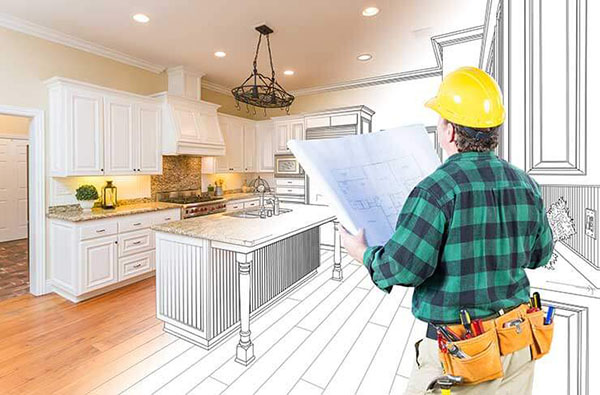
A typical home remodeling project usually takes between three to six months, based on the size of the job, size of the home, and availability of materials. More involved renovations might need extra time for completion.
What are some common mistakes that people make when renovating?
Typical pitfalls during remodeling are things like miscalculating costs, not securing the required permissions, not adhering to the project schedule, not maintaining clear communication with contractors, and failing to think about long-term functionality. Knowing these potential problems can lead to a smoother, more successful renovation project.
How do I choose the best supplies for my project?
Selecting appropriate supplies requires assessing how long they will last, the look and feel, and budget. Investigating available choices, getting expert advice, and thinking about upkeep can greatly aid in reaching educated conclusions, ensuring the project aligns your needs and preferences.
Is it possible to stay in my house throughout the construction phase?
It is possible to remain in their home during renovations, but it might cause disruption. Thorough preparation, clear communication with contractors, and creating defined spaces for daily use can help minimize disruption while the work is underway.
What warranties should I expect from remodeling contractors?
Clients typically receive warranties for the labor performed, the products installed, and the integrity of the structure, often covering a period of one to ten years. You must carefully check the fine print and details alongside your builders to understand coverage and limitations fully.